


Description
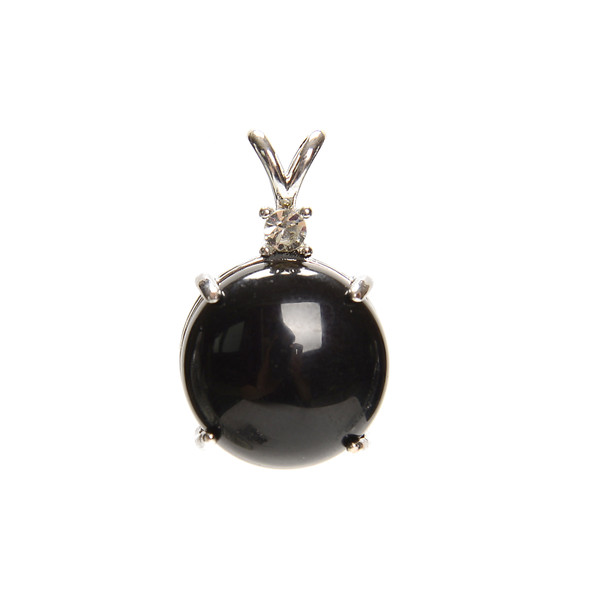
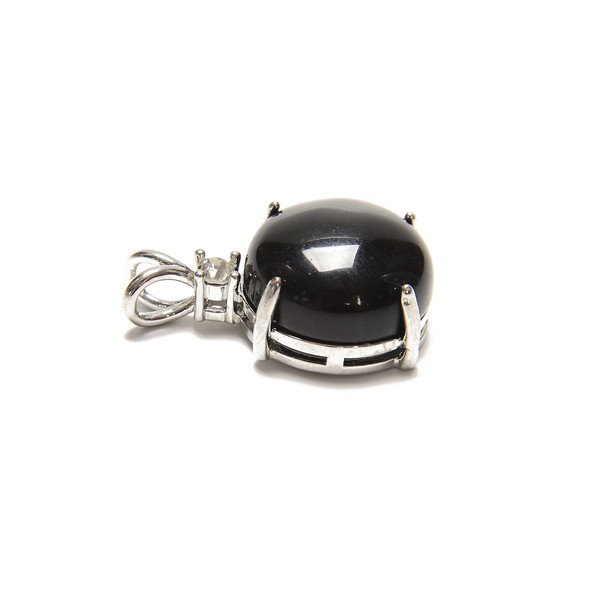
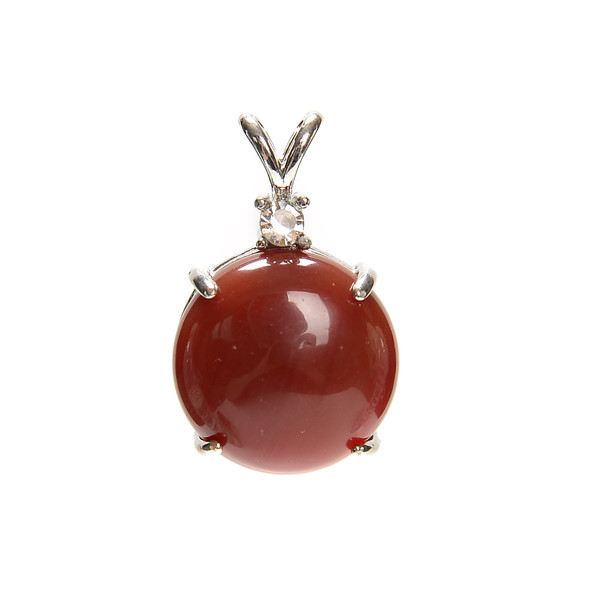
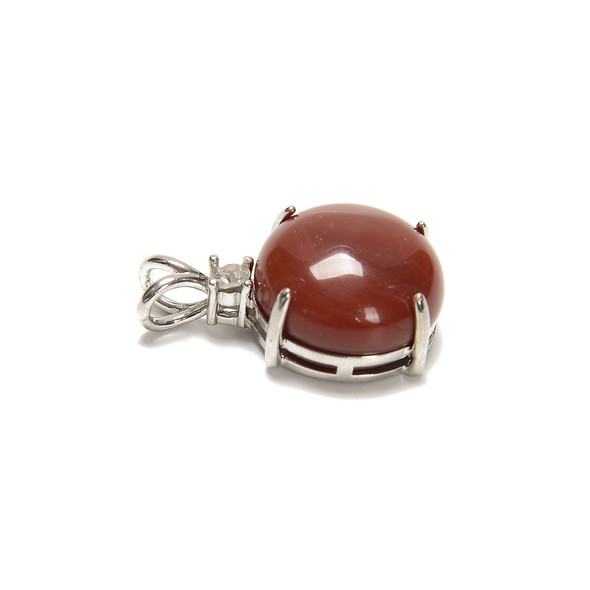
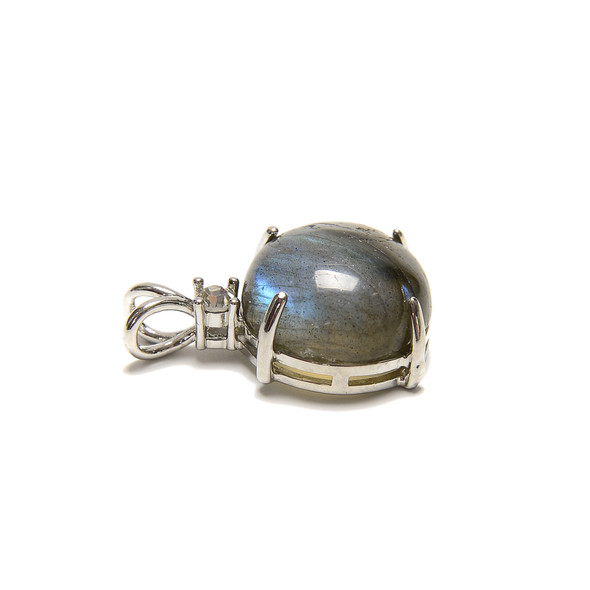
Magnesite, Blue, Dyed, Round, One Pendant w/ Crystal
Metal Alloy Bail, 26x16mm
Natural magnesite is a magnesium carbonate mineral named after the region of Magnesia in Thessaly, Greece, where it was first discovered. It typically forms through the alteration of magnesium-rich rocks or via hydrothermal precipitation, appearing as earthy, chalk-like massive deposits or as distinct rhombohedral crystals. Pure magnesite ranges from white and grey to pale yellow or brown.
Porous white magnesite takes dye exceptionally well and is frequently dyed blue or green to imitate turquoise.
Over 80% of all mined magnesite is burned at extreme heat to create dead-burned magnesia. This heat-resistant material lines the giant furnaces used to melt steel, glass, and cement. Refractory materials are the silent foundation of modern industrial infrastructure.
Major deposits are found in China, Russia, Austria, Brazil, Slovakia, Australia, and the United States: Nevada & California.
Hardness 3.5 to 4.5
These pendants are cut, drilled and polished in China
These pendants are dyed with the introduction of coloring agent into a gemstone to give it new color, intensify present color or improve color uniformity
Metal Alloy is a metal made by combining two or more metallic elements, base metals, to give greater strength or resistance to corrosion. In mining and economics, base metals refer to industrial non-ferrous metals excluding precious metals, like silver, gold, and platinum. Base Metals include copper, aluminum, nickel, tin, zinc antimony, bismuth, lead and many more. Metal Alloy, also known as Pewter and is usually a tin based alloy 85-95% of the time but could also be zinc based.
In December of 1994, The US Safe Drinking Water Act defined Lead-free as having less than 0.25% lead content. Most newly made solid pewter on the market today is considered lead free by these standards. But it is still recommended to not give children Metal Alloy jewelry if there is any chance, they will put it in their mouths!