

Description
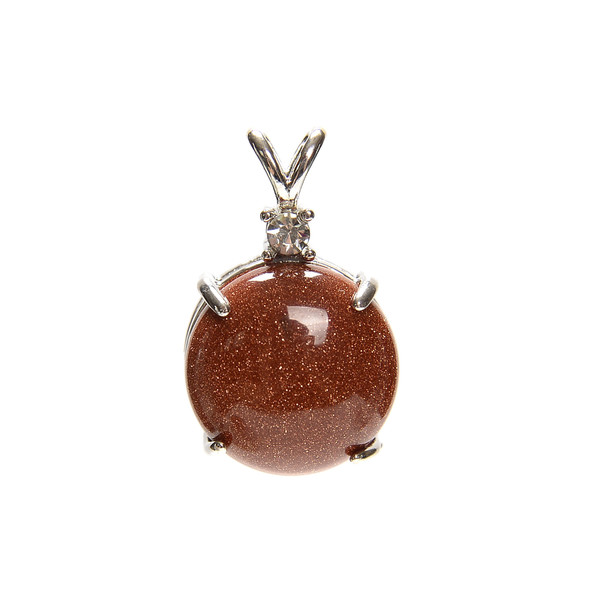
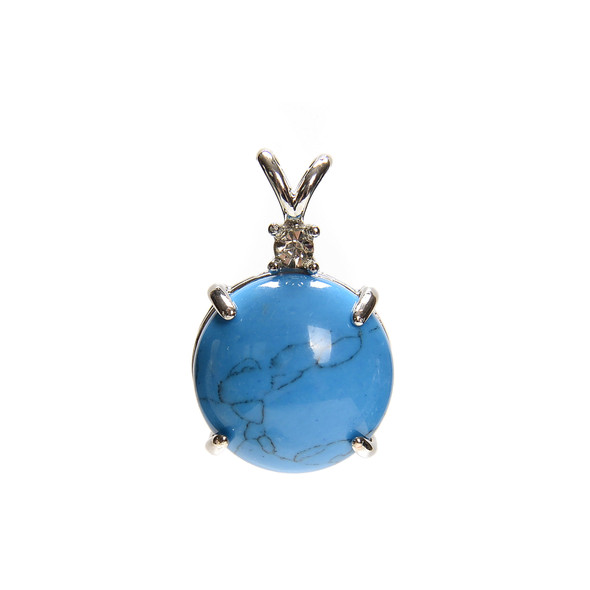
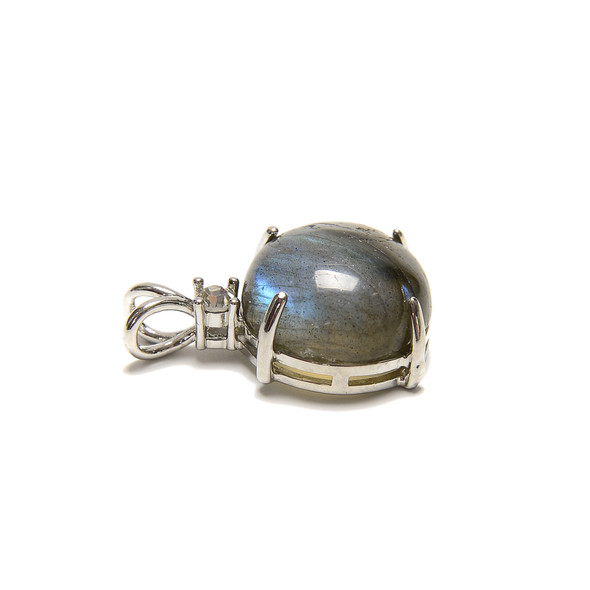
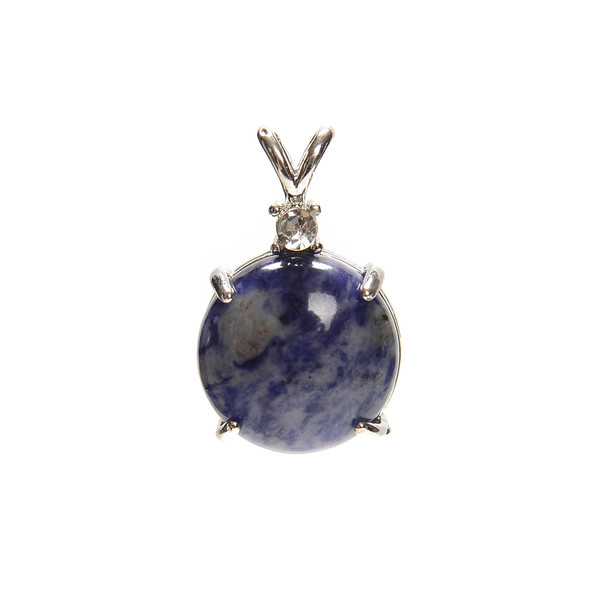
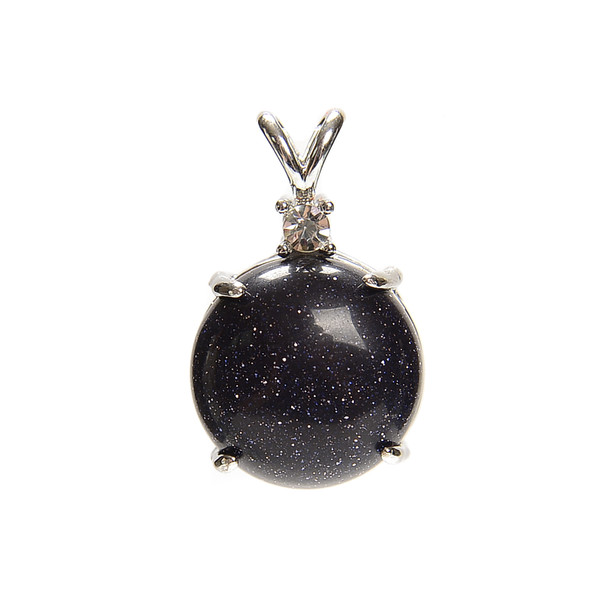
Goldstone, Blue, Glass, Round, One Pendant w/ Crystal, Metal Alloy Bail, 26x16mm
Goldstone, despite its deceptive name, is not a natural gemstone at all. It is a highly reflective, man-made glittering glass. Historically known as "aventurine glass", it features a unique optical phenomenon called aventurescence—a distinct, metallic sparkle caused by light reflecting off hundreds of tiny metal crystals trapped inside the smooth glass matrix
The creation of goldstone is a highly precise, technical process that dates back centuries. It relies on a low-oxygen reducing atmosphere inside a sealed furnace to manipulate how metals cool within molten silica: A batch of silica (glass), soda ash, lime, and copper oxide is heated until liquid. Under intense heat, the copper oxide dissolves entirely into the molten glass. The furnace vat is sealed airtight to keep oxygen out and cooled down at an incredibly slow, controlled rate. As the temperature drops, copper ions chemically separate from the glass and precipitate out as tiny, elemental metallic crystals. Because the cooling is so slow, these crystals grow into microscopic, flat-faced octahedrons (eight-sided shapes). When you look closely at goldstone under a light, you are seeing the flat, triangular faces of these copper flecks acting like micro-mirrors
While the original reddish-brown variety is the most common and affordable, glassmakers can achieve a striking range of colors by altering the base glass formula or substituting different metals: Reddish-Brown (Copper Oxide), Blue (Cobalt/Manganese), Purple (Manganese), Green (Chromium Oxide)
Hardness of glass is 5.5 to 7
These pendants were cut, drilled and polished in China
Metal Alloy is a metal made by combining two or more metallic elements, base metals, to give greater strength or resistance to corrosion. In mining and economics, base metals refer to industrial non-ferrous metals excluding precious metals, like silver, gold, and platinum. Base Metals include copper, aluminum, nickel, tin, zinc antimony, bismuth, lead and many more. Metal Alloy, also known as Pewter and is usually a tin based alloy 85-95% of the time but could also be zinc based.
In December of 1994, The US Safe Drinking Water Act defined Lead-free as having less than 0.25% lead content. Most newly made solid pewter on the market today is considered lead free by these standards. But it is still recommended to not give children Metal Alloy jewelry if there is any chance, they will put it in their mouths!