






Description
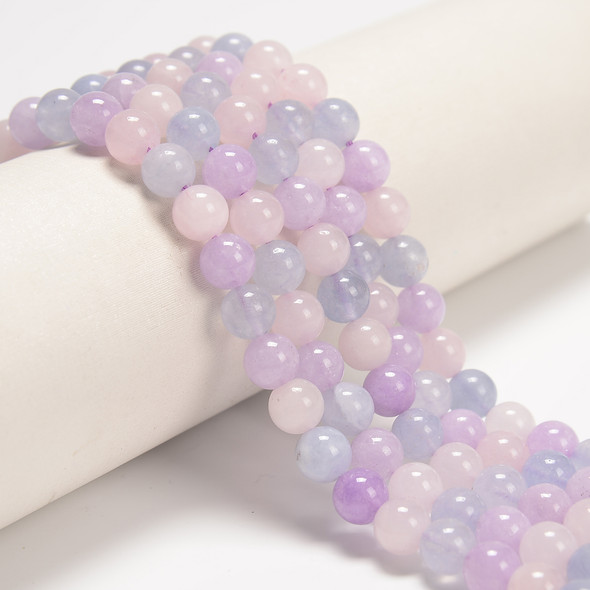
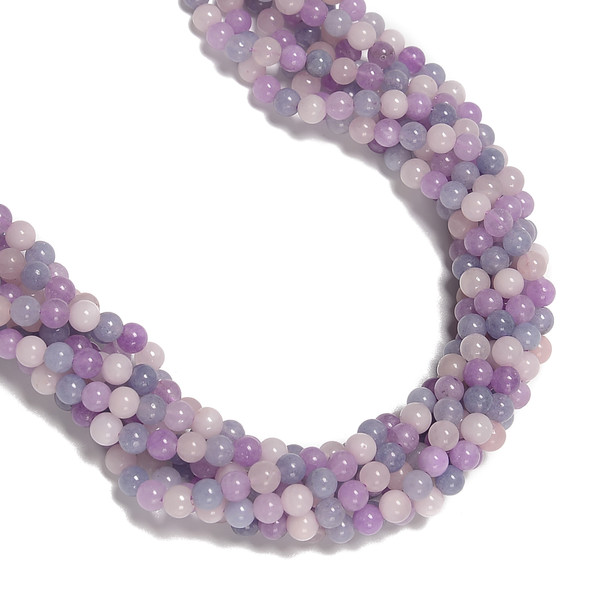
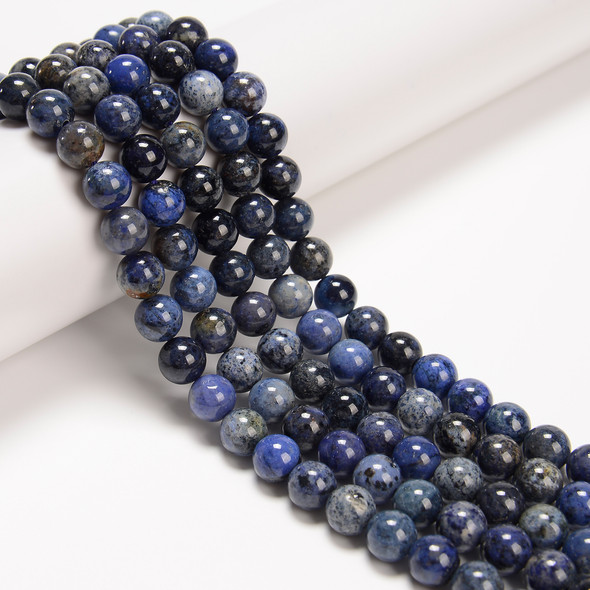
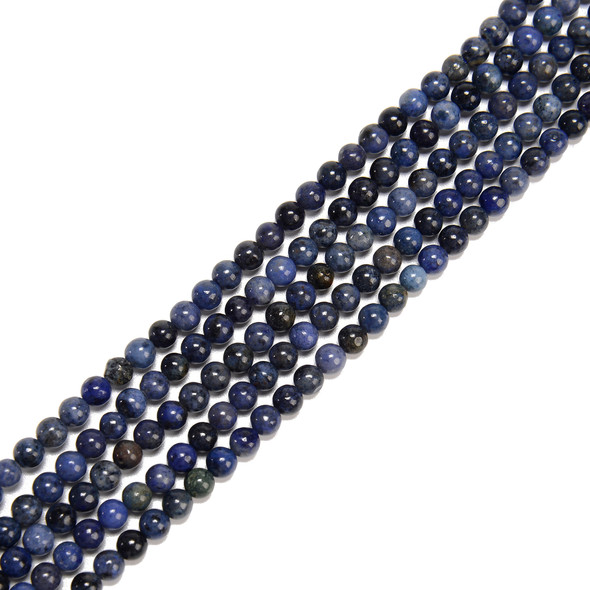
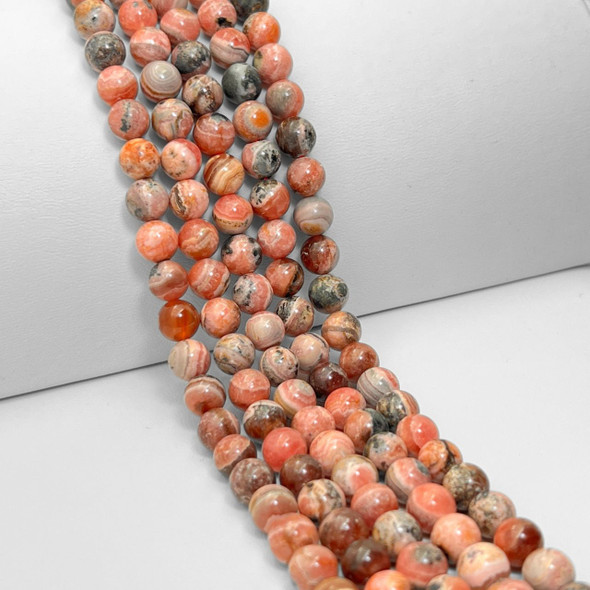
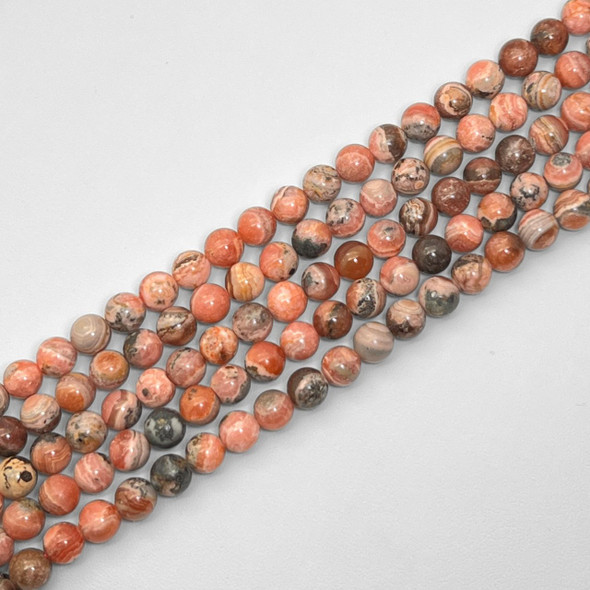
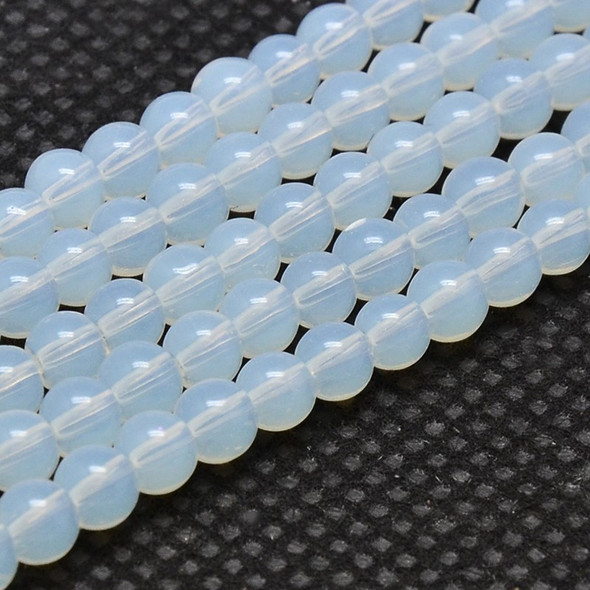
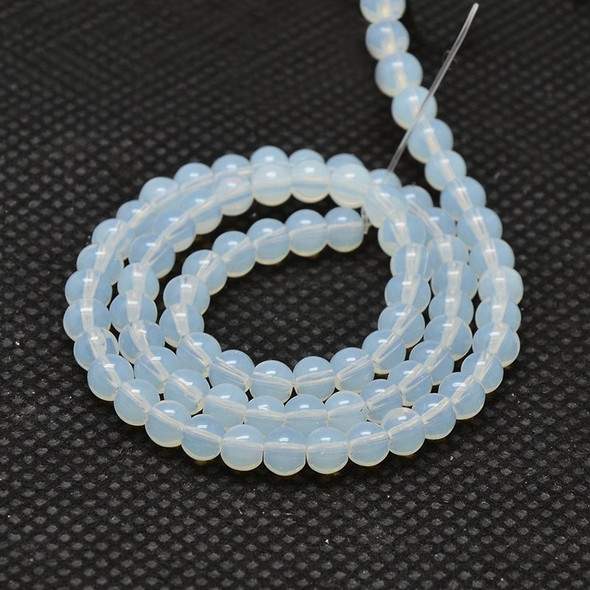
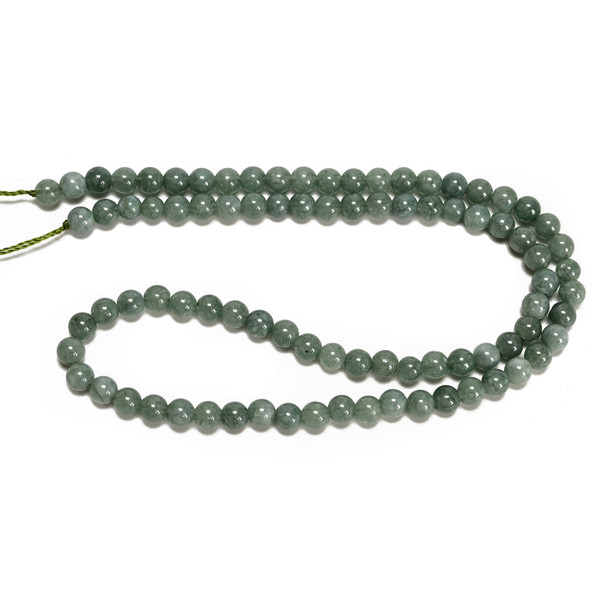
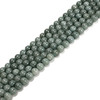
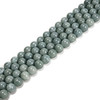
Jadeite, Dyed, Smooth Round
This price is for one strand 15 to 16 inches long
4mm strands have 90 to 95 pieces
6mm strands have 60 to 65 pieces
8mm strands have 43 to 48 pieces
10mm strands have 33 to 38 pieces
For thousands of years, people used the word "jade" for two completely different minerals that look almost identical: jadeite and nephrite. It wasn't until 1863 that scientists officially split them. Of the two, jadeite is the rarer, harder, and far more valuable sibling.
Jadeite is incredibly picky about its geological birthplace. It only forms in ancient subduction zones, where tectonic plates crashed and one slid under the other, requiring extreme high pressure but relatively low temperatures. Mined in only a few specific pockets of the world: Myanmar (Burma), Guatemala & small, rare deposits in Japan, Russia, Kazakhstan, and even a tiny bit in San Benito County, California.
While diamonds are the hardest stones on Earth (scratch-resistant), jade is actually far tougher. Because of its tightly felted, interlocking crystal structure, hitting jadeite with a hammer is more likely to dent the hammer than break the stone. This is why Neolithic humans used it to carve axes and weapons
traditional gift to celebrate a 12th & 35th wedding anniversary
Hardness 7
These beads are dyed with the introduction of coloring agent into a gemstone to give it new color, intensify present color or improve color uniformity
These beads were cut, drilled and polished in China