


Description
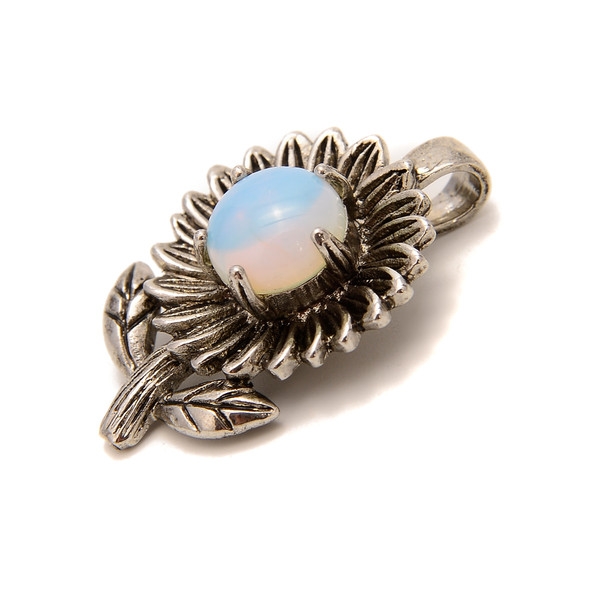
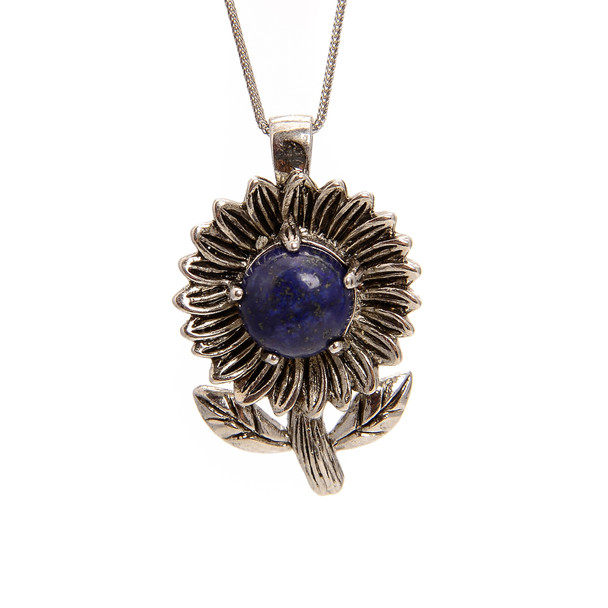
Lapis, Dyed, Sunflower, One Pendant, 33x22mm
Lapis Lazuli is a deep-blue metamorphic rock composed of multiple minerals. Its signature intense color and texture come from a combination of three main minerals: Lazurite responsible for its rich, royal blue color, glittering golden flecks of Pyrite & Calcite responsible for its white streaks or veining. High-grade lapis features minimal white calcite.
Lapis Lazuli holds a unique place in human art and history. Ancient Egypt used lapis extensively in royal jewelry, amulets, and burial ornaments, most famously in the funeral mask of King Tutankhamen. During the renaissance era lapis was ground into a fine powder to produce ultramarine, the most expensive blue pigment in history. Renaissance painters reserved it for high-value subjects, such as the robes of the Virgin Mary.
While sapphire is the primary modern birthstone for September, lapis lazuli is recognized as an official alternative/secondary birthstone for September added by the American Gem Trade Association
Lapis lazuli is mined in only a few places worldwide because it requires very specific metamorphic conditions (limestone contacting magma) to form. Major sources include Afghanistan, Chile, Russia & smaller deposits found in minor quantities in Tajikistan, Pakistan, Myanmar, Canada, and the United States: Colorado & California
Hardness 5-6
Made in China
These beads are dyed with the introduction of coloring agent into a gemstone to give it new color, intensify present color or improve color uniformity
Metal Alloy is a metal made by combining two or more metallic elements, base metals, to give greater strength or resistance to corrosion. In mining and economics, base metals refer to industrial non-ferrous metals excluding precious metals, like silver, gold, and platinum. Base Metals include copper, aluminum, nickel, tin, zinc antimony, bismuth, lead and many more. Metal Alloy, also known as Pewter and is usually a tin based alloy 85-95% of the time but could also be zinc based.
In December of 1994, The US Safe Drinking Water Act defined Lead-free as having less than 0.25% lead content. Most newly made solid pewter on the market today is considered lead free by these standards. But it is still recommended to not give children Metal Alloy jewelry if there is any chance, they will put it in their mouths!