

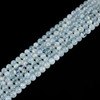



Description
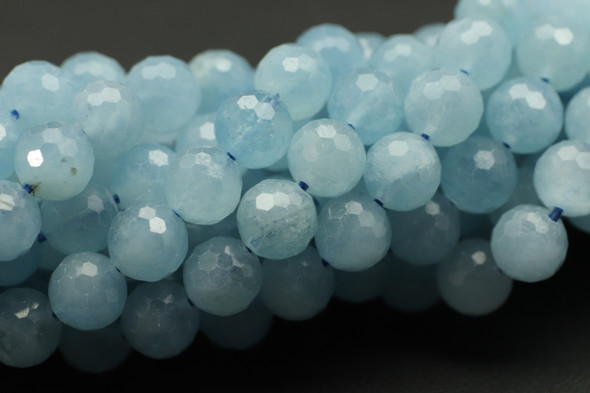
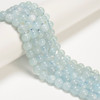
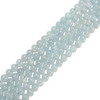
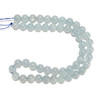
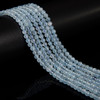
Aquamarine, Heated, Smooth Round
This price is for one strand 15 to 16 inches long
4mm strands have 90 to 95 pieces
6mm strands have 60 to 65 pieces
8mm strands have 43 to 48 pieces
Aquamarine is a tranquil blue-to-greenish-blue hued variety of beryl. While trace amounts of chromium or vanadium turn beryl into a deep green emerald, trace amounts of iron turn it into the icy blue of aquamarine.
Named after the Latin phrase for "water of the sea," it is a highly coveted gemstone with a rich history rooted in mythology and geology alike. Ancient Roman and Greek sailors carried aquamarine amulets to protect them from the perils of the sea. They believed the gem fell from the treasure chests of mermaids and would calm rough waves.
Aquamarine is the official birthstone for March
In 1971, Colorado named aquamarine its official state gemstone. Some of the finest, deepest blue, gem-quality aquamarine crystals are found at high elevations in Colorado, particularly on Mount Antero and White Mountain.
Aquamarine is found all over the world, but it primarily forms in pegmatites—coarse-grained igneous rocks that act as geological incubators, allowing large, flawless crystals to grow over millions of years.
Hardness 7.5-8
These beads are cut, drilled and polished in China
Heating beads is a very common form of enhancement and is used to affect desired alterations of color and/or clarity. Heating can also be used to lighten or darken a stone. Heat is one of the conditions that cause gems to form, whether in the ground or in a lab. Heating occurs during natural gem formation. But heating applied to the stone after gem formation is an enhancement.